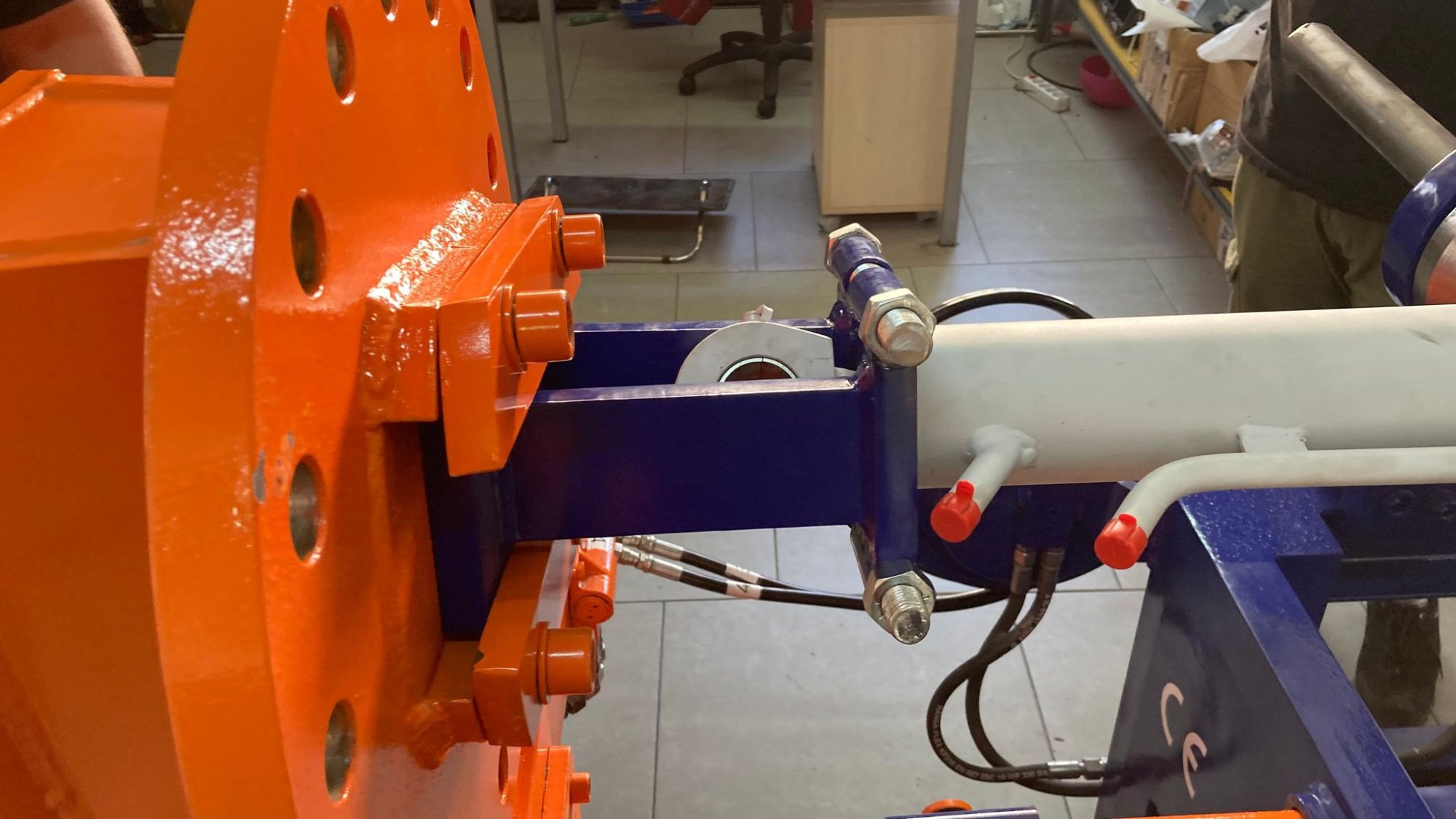
Hydraulic Cylinder Problems and Solutions | Hidroman
Hydraulic Cylinder Problems and Solutions: Troubleshooting, Maintenance and Repair Guide
Hydraulic cylinders are essential components in construction equipment, mining machinery, industrial production lines, agricultural equipment, marine systems, and heavy-duty industrial applications.
They convert hydraulic energy into linear mechanical motion and are responsible for lifting, pushing, pulling, positioning, and controlling mechanical loads.
Over time, high operating pressures, continuous duty cycles, contamination, mechanical wear, improper installation, and excessive side loads can affect hydraulic cylinder performance.
Common problems include hydraulic oil leakage, internal bypass leakage, reduced lifting force, erratic movement, damaged piston rods, and premature seal failure.
Identifying these problems early helps maintenance teams reduce unplanned downtime, prevent secondary equipment damage, and control operating costs.
This guide covers the most common hydraulic cylinder failures, their causes, troubleshooting procedures, maintenance practices, and professional cylinder overhaul solutions.
1. Hydraulic Cylinder Oil Leakage
External oil leakage is one of the most common hydraulic cylinder problems. Leakage typically occurs around the piston rod seal, wiper seal, gland, O-rings, or hydraulic connections.
Common symptoms
Hydraulic oil around the piston rod.
Leakage from the cylinder head or gland.
Oil accumulation near hydraulic ports.
Repeated seal failures.
Oil contamination around the cylinder assembly.
Possible causes
Worn or damaged rod seals.
Scratched or corroded piston rod surfaces.
Damaged hard chrome plating.
Incorrect seal material or dimensions.
Excessive operating pressure.
Piston rod misalignment.
Worn guide bushings.
Contamination entering the sealing area.
Recommended solutions
The source of the leakage should be identified before replacing any components.
Depending on the inspection results, corrective actions may include:
Replacing rod seals and O-rings.
Inspecting piston rod dimensions and surface finish.
Precision grinding and hard chrome plating when technically suitable.
Inspecting cylinder barrel and guide components.
Checking operating pressure and mechanical alignment.
Selecting seals compatible with the hydraulic fluid, temperature, and operating pressure.
Replacing seals without correcting the underlying mechanical problem can result in repeated leakage.
2. Internal Hydraulic Cylinder Leakage and Loss of Force
Internal leakage occurs when hydraulic fluid bypasses the piston due to worn or damaged piston seals or excessive internal clearances.
This condition reduces cylinder efficiency and may prevent the cylinder from maintaining its position under load.
Common symptoms
Cylinder drift under load.
Reduced lifting capacity.
Inability to maintain a fixed position.
Reduced output force.
Increased hydraulic oil temperature.
Poor operating performance.
Possible causes
Worn piston seals.
Scratched cylinder barrel surfaces.
Excessive piston-to-barrel clearance.
Damaged piston sealing grooves.
Incorrect seal selection.
Seal deterioration caused by excessive temperature or pressure.
Recommended solutions
Inspect and replace damaged piston seals.
Measure the cylinder barrel internal diameter.
Evaluate cylinder bore wear and surface condition.
Apply internal honing when required and technically suitable.
Inspect piston and guide components.
Perform pressure-holding and functional tests after overhaul.
Internal cylinder leakage must be distinguished from hydraulic pump and control valve problems. Accurate diagnosis requires evaluating the cylinder together with the hydraulic circuit.
3. Scratched or Damaged Hydraulic Cylinder Piston Rod
The piston rod operates through the cylinder gland and sealing assembly. Its surface condition is critical for maintaining reliable sealing performance.
Scratches, corrosion, chrome plating damage, and mechanical impacts can accelerate seal wear and cause external leakage.
Common symptoms
Visible scratches or corrosion on the piston rod.
Oil leakage during rod movement.
Repeated rod seal failures.
Increased friction.
Damaged or peeling chrome plating.
Possible causes
Dust and abrasive contamination.
Damaged wiper seals.
External mechanical impacts.
Excessive side loading.
Misalignment.
Poor surface condition or unsuitable plating quality.
Improper maintenance practices.
Recommended solutions
Piston rod repair must be evaluated according to rod diameter, straightness, surface condition, and dimensional tolerances.
Depending on the damage, repair options may include:
Precision grinding.
Hard chrome plating.
Surface polishing.
Rod straightness inspection.
Piston rod replacement or new manufacturing.
Replacement of damaged wipers and guide components.
Not every damaged rod can be restored using the same process. Dimensional inspection is essential before selecting a repair method.
4. Hydraulic Cylinder Jerking, Vibration and Erratic Movement
A hydraulic cylinder that moves unevenly or vibrates during operation may have a hydraulic circuit problem or a mechanical alignment issue.
Common symptoms
Jerky piston rod movement.
Irregular extension or retraction.
Sudden changes in cylinder speed.
Abnormal operating noise.
Unstable movement under load.
Possible causes
Air trapped in the hydraulic circuit.
Contaminated hydraulic oil.
Unstable pump flow.
Malfunctioning control valves.
Piston rod misalignment.
Worn guide components.
Improper cylinder mounting.
Recommended solutions
Bleed trapped air according to the equipment manufacturer's procedure.
Check hydraulic oil cleanliness.
Inspect filters and filtration equipment.
Measure pump flow and system pressure.
Evaluate control valve operation.
Inspect mounting points and mechanical alignment.
Jerking does not necessarily originate inside the cylinder. The complete hydraulic circuit should be evaluated during troubleshooting.
5. Slow Hydraulic Cylinder Operation
A cylinder that extends or retracts more slowly than normal may indicate reduced hydraulic system performance.
Possible causes
Insufficient pump flow.
Restricted hydraulic filters.
Pressure losses.
Internal cylinder leakage.
Restricted valves or hydraulic lines.
Incorrect oil viscosity for operating temperature.
Increased mechanical friction.
Recommended solutions
Measure pump flow rate.
Check system pressure.
Inspect hydraulic filter elements.
Check control valves and hydraulic connections.
Perform an internal leakage test.
Evaluate oil viscosity and operating temperature.
Slow cylinder movement does not automatically indicate cylinder failure. The pump, valves, filters, and hydraulic circuit must also be checked.
6. Bent Hydraulic Cylinder Piston Rod
A bent piston rod can cause serious mechanical problems, particularly in construction equipment, mining machinery, and heavy-duty industrial applications.
Possible causes
Excessive external loading.
Side loading.
Incorrect mounting geometry.
Impact loads.
Undersized piston rod diameter.
Misalignment between the cylinder and connected mechanism.
Common symptoms
Increased resistance during movement.
Repeated seal failures.
Uneven rod wear.
Scratches inside the cylinder barrel.
Increased friction and operating temperature.
Recommended solutions
The piston rod should undergo dimensional and straightness inspection.
Depending on the extent of the damage and material properties, repair or replacement may be necessary.
The cylinder mounting arrangement, load distribution, and operating geometry should also be evaluated to prevent recurring damage.
7. Abnormal Noise During Hydraulic Cylinder Operation
Knocking, metallic sounds, or vibration may indicate mechanical wear or irregular hydraulic operating conditions.
Possible causes include:
Loose mounting pins.
Worn bushings and bearings.
Excessive side loading.
Air in the hydraulic circuit.
Damaged internal components.
Improper cushioning operation.
A complete inspection of mounting connections, bearing points, internal cylinder components, and the hydraulic circuit is recommended.
8. How Hydraulic Oil Contamination Causes Cylinder Failure
Contaminated hydraulic oil is a major contributor to premature wear in hydraulic systems.
Metal particles, dust, water, and other contaminants can affect cylinder performance and damage precision components.
Contaminated oil may cause:
Accelerated piston and cylinder barrel wear.
Premature seal and guide failure.
Damage to pumps and control valves.
Increased filter restriction.
Higher operating temperatures.
Increased maintenance requirements.
Hydraulic cylinder maintenance should therefore include both mechanical inspection and oil cleanliness management.
ISO 4406 is commonly used to classify solid particle contamination in hydraulic fluids. The required cleanliness level should be determined according to the component manufacturer's specifications and system requirements.
Filtration and hydraulic system flushing may be necessary when contamination is identified.
9. Hydraulic Cylinder Maintenance Checklist
Preventive maintenance helps extend hydraulic cylinder service life and reduce unexpected equipment failures.
Recommended inspection points
Inspect piston rod surfaces for scratches and corrosion.
Check rod seals and hydraulic connections for leakage.
Inspect mounting pins and bushings.
Monitor hydraulic oil level and condition.
Check filter elements and oil cleanliness.
Monitor cylinder speed and operating temperature.
Investigate abnormal noise and vibration.
Record recurring failures and maintenance activities.
How often should hydraulic cylinders be inspected?
There is no universal maintenance interval suitable for every hydraulic cylinder.
Inspection frequency depends on:
Manufacturer recommendations.
Operating pressure.
Load conditions.
Daily operating hours.
Environmental conditions.
Duty cycle.
Equipment criticality.
Heavy-duty construction and mining applications may require more frequent inspections than equipment operating under lighter conditions.
10. Professional Hydraulic Cylinder Overhaul Process
A professional hydraulic cylinder overhaul involves much more than replacing worn seals.
All critical components should be inspected, measured, and evaluated before deciding which parts can be reused, repaired, or replaced.
A typical hydraulic cylinder overhaul includes:
Safely removing the cylinder from the machine.
Releasing all stored hydraulic pressure.
Cleaning the external cylinder surfaces.
Disassembling the cylinder using suitable equipment.
Inspecting the piston rod, piston, barrel, and gland.
Measuring seal grooves, bushings, and critical dimensions.
Repairing or replacing damaged components.
Honing the cylinder barrel when required.
Grinding, re-chroming, or replacing the piston rod when necessary.
Installing suitable seals and guide components.
Reassembling the cylinder.
Performing pressure, leakage, and functional tests.
Evaluating and documenting the test results.
Test pressure and acceptance criteria must be established according to the cylinder design, rated operating pressure, and applicable technical specifications.
11. Hydraulic Cylinder Repair or Replacement: Which Is Better?
A failed hydraulic cylinder does not always need to be replaced with a new unit.
The decision should be based on the cylinder's mechanical condition, component damage, dimensional tolerances, repair feasibility, and total repair cost.
| Inspection criteria | Overhaul | New manufacturing |
|---|---|---|
| Worn seals | Usually suitable | Not normally required |
| Piston rod damage | Suitable if repairable | Consider if damage is extensive |
| Cylinder barrel wear | Suitable if honing can restore dimensions | Consider if tolerances are exceeded |
| Damaged piston | Repair or replacement | If required |
| Design modification | Limited | Suitable |
| Severe structural damage | Evaluate repair economics | Possible alternative |
A technical inspection and total cost evaluation should determine the most appropriate solution.
Frequently Asked Questions About Hydraulic Cylinder Problems
What causes hydraulic cylinders to leak oil?
Common causes include worn rod seals, damaged piston rod surfaces, incorrect seal selection, excessive operating pressure, and mechanical misalignment.
Why does a hydraulic cylinder lose its load-holding ability?
Internal piston seal leakage, control valve problems, or hydraulic circuit pressure losses can prevent a cylinder from maintaining its position under load.
Why does a hydraulic cylinder move unevenly?
Trapped air, contaminated hydraulic oil, unstable pump flow, valve problems, and mechanical misalignment can cause jerky movement.
Can a scratched hydraulic cylinder piston rod be repaired?
Yes. Depending on the depth of the damage and dimensional tolerances, precision grinding, hard chrome plating, or piston rod replacement may be possible.
Which components should be inspected during a hydraulic cylinder overhaul?
The piston rod, cylinder barrel, piston, gland, bushings, seal grooves, mounting connections, and all sealing components should be inspected.
Should a hydraulic cylinder be pressure-tested after repair?
Yes. The rebuilt cylinder should undergo appropriate pressure, leakage, movement, and functional testing before being returned to service.
How can hydraulic cylinder failures be prevented?
Preventive maintenance, proper hydraulic oil cleanliness, suitable filtration, piston rod protection, correct installation, and regular performance monitoring help reduce failure risks.
Hydraulic Cylinder Repair, Manufacturing and Engineering Solutions by Hidroman
Reliable hydraulic cylinder performance requires more than proper manufacturing. It also depends on accurate troubleshooting, preventive maintenance, professional overhaul, and appropriate testing procedures.
HIDROMAN provides industrial solutions covering:
OEM hydraulic cylinder manufacturing.
Custom-designed hydraulic cylinders.
Hydraulic cylinder repair and rebuilding.
Piston rod manufacturing.
Precision grinding and hard chrome plating.
Cylinder barrel honing.
Hydraulic cylinder test systems.
Hydraulic filtration and flushing solutions.
Our engineering approach focuses on identifying the root cause of failure and selecting the most appropriate technical solution for each application.
The objective is not simply to repair a failed component, but to improve equipment reliability and reduce the risk of recurring failures.
Prevent failures before they happen.
Contact Hidroman for technical assistance, hydraulic cylinder manufacturing, repair, overhaul, and testing solutions.