


A hydraulic cylinder is a linear actuator that converts hydraulic energy into mechanical force and motion. By using pressurized hydraulic fluid, it generates powerful linear movement for lifting, pushing, pulling, holding, and positioning heavy loads.
Hydraulic cylinders are among the most important components of hydraulic power systems used in construction equipment, industrial machinery, agricultural machines, mining equipment, marine systems, waste handling equipment, manufacturing automation, and material handling solutions.
Unlike electric actuators, hydraulic cylinders provide extremely high force in a compact design while maintaining excellent positioning accuracy and long service life under demanding operating conditions.
A hydraulic cylinder operates according to Pascal's Law, which states that pressure applied to a confined fluid is transmitted equally in every direction.
The operating sequence is straightforward:
The generated force depends primarily on:
The basic hydraulic cylinder force equation is:
Force = Pressure × Piston Area
Increasing either the operating pressure or piston diameter increases the available output force.
A hydraulic cylinder consists of several precision-engineered components that work together to provide reliable performance.
Cylinder Barrel
The cylinder barrel is a seamless precision tube that houses the piston assembly. The internal surface is typically honed to minimize friction and maximize seal life.
Piston
The piston separates the pressure chambers and converts hydraulic pressure into linear movement.
Piston Rod
The piston rod transfers generated force to the external machine. Most industrial rods are induction hardened and chrome plated for corrosion resistance and wear protection.
Cylinder Head
The cylinder head guides the piston rod while housing rod seals and bearings.
Cylinder Base (Cap End)
The base closes one end of the cylinder and connects it to the machine structure.
Hydraulic Seals
Hydraulic seals prevent internal leakage and external oil loss while protecting the system from contamination.
Common seals include:
Selecting the correct cylinder type is essential for system performance and durability.
Double Acting Hydraulic Cylinder
A double acting hydraulic cylinder applies hydraulic pressure to both sides of the piston, producing force during both extension and retraction.
Advantages
Typical Applications
Single Acting Hydraulic Cylinder
A single acting hydraulic cylinder develops force in only one direction. Return movement is achieved using gravity, spring force, or external load.
Advantages
Typical Applications
Telescopic Hydraulic Cylinder
A telescopic cylinder contains multiple nested stages, allowing a very long stroke while maintaining a short retracted length.
Advantages
Common Applications
Tie Rod Hydraulic Cylinder
Tie rod cylinders use high-strength steel rods to clamp the end caps to the cylinder barrel.
Advantages
Welded Hydraulic Cylinder
Welded cylinders have end caps permanently welded to the barrel.
Advantages
Typical Applications
Hydraulic cylinders are used across virtually every industrial sector.
Major applications include:
Proper hydraulic cylinder selection improves efficiency, reliability, and equipment lifespan.
Important selection criteria include:
Required Force
Determine the maximum load the cylinder must move.
Operating Pressure
Verify the available system pressure.
Stroke Length
Calculate the required travel distance.
Mounting Style
Select the appropriate mounting configuration such as:
Speed Requirements
Cylinder speed depends on hydraulic flow rate.
Operating Environment
Consider:
Material Selection
Common materials include:
Seal Material
Choose seals compatible with:
Hydraulic Cylinder Maintenance
Routine maintenance significantly increases cylinder lifespan.
Recommended maintenance includes:
Predictive maintenance minimizes downtime and reduces operating costs.
Hydraulic cylinder repair typically includes:
Professional overhaul restores the cylinder to near-original performance while extending service life.
The most common hydraulic cylinder problems include:
Most failures are caused by:
For a complete troubleshooting guide, read our detailed article:
Hydraulic Cylinder Design Considerations
Proper engineering ensures long-term reliability.
Important design factors include:
Finite Element Analysis (FEA) is often used to validate high-performance cylinder designs.
High-quality cylinders commonly use:
Material selection depends on pressure, environment, corrosion resistance, and expected service life.
Hydraulic Cylinder Calculation
Correct sizing is essential for reliable performance.
Important calculations include:
Hidroman provides free hydraulic cylinder calculation applications for engineers and technicians.
Google Play:
https://play.google.com/store/apps/details?id=com.hidromandesign.hhh
Apple App Store:
https://apps.apple.com/tr/app/hidroman-hidrolik-hesaplay%C4%B1c%C4%B1/id6473790750
Hidroman designs and manufactures high-performance hydraulic cylinders for demanding industrial applications worldwide.
Our engineering capabilities include:
We deliver reliable hydraulic cylinder solutions for OEM manufacturers, industrial plants, construction machinery, agricultural equipment, mining, marine, and heavy-duty applications across Europe and global markets.
What is a hydraulic cylinder?
A hydraulic cylinder is a mechanical actuator that converts hydraulic fluid pressure into linear force and motion.
What is the difference between single acting and double acting hydraulic cylinders?
Single acting cylinders generate force in one direction, while double acting cylinders generate force in both extension and retraction.
What causes hydraulic cylinder leakage?
Common causes include worn seals, contaminated hydraulic oil, damaged piston rods, improper installation, and excessive operating pressure.
How long does a hydraulic cylinder last?
With proper maintenance and quality components, industrial hydraulic cylinders can operate reliably for many years.
Can hydraulic cylinders be repaired?
Yes. Most hydraulic cylinders can be professionally repaired by replacing seals, machining damaged components, and pressure testing the assembly.
Which industries use hydraulic cylinders?
Hydraulic cylinders are widely used in construction, agriculture, mining, manufacturing, marine, offshore, waste management, steel production, and industrial automation.
Internal Linking Strategy
Bu sayfadan aşağıdaki içeriklere bağlantı verilmesi SEO açısından önerilir:
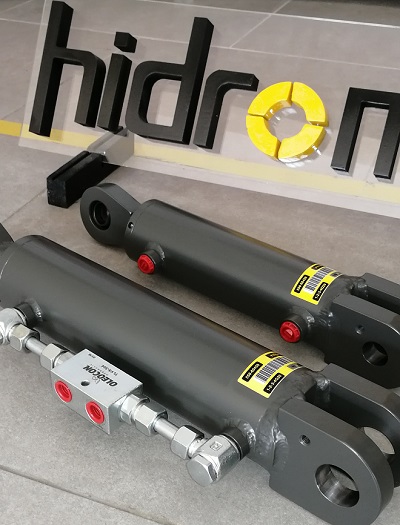
Hidrolik silindir revizyonu, hidrolik sistemlerde kullanılan silindirlerin bakımı ve yeniden düzenlenmesidir. Bu işlem, silindirin performansını artırmak, güvenliğini sağlamak ve işlevini optimize etmek için yapılır.
Revizyon süreci genellikle şu adımları içerir:
Değerlendirme:
Silindirin durumu incelenir ve sorunlu alanlar belirlenir. Bu, sızıntılar, aşınma veya hasarlı parçaların tespit edilmesini içerir.
Parça Değişimi:
İhtiyaç duyulan parçalar değiştirilir. Bu, conta, mil, yataklar gibi kritik parçaları içerebilir.
Temizlik ve Onarım:
Silindir parçaları temizlenir ve gerekirse onarılır. Bu, silindirin içindeki yağın değiştirilmesini, contaların yenilenmesini ve sızıntıları önlemek için gerekli diğer önlemleri içerebilir.
Montaj ve Test:
Silindir, revizyon işleminden sonra tekrar monte edilir ve test edilir. Bu, basınç testleri, sızıntı testleri ve işlevsel testleri içerebilir.
Dokümantasyon:
Revizyon sürecinin ayrıntıları kaydedilir ve belgelenir. Bu, gelecekteki bakım veya revizyon işlemleri için referans sağlar.
Hidrolik silindir revizyonu, silindirin ömrünü uzatır, performansını artırır ve beklenmedik arızaların önlenmesine yardımcı olur. Bu işlemi uzman bir teknisyen veya bir hidrolik sistemler uzmanı gerçekleştirmelidir.
İki veya daha fazla silindir 'paralel' veya 'seri' olarak kurulabilir. Delikler ve çubuklar daha sonra, hidrolik sistem içindeki ilk veya son silindire akış yönlendirildiğinde tüm çubukların eşit şekilde uzamasını ve/veya geri çekilmesini sağlamak için hizalanır. Bu, hidrolik silindirleri 'yeniden fazlama' olarak bilinir.
'Paralel' uygulamalarda, iç çap ve rot boyutları her zaman aynıdır ve hidrolik silindirler her zaman çift olarak kullanılır.
'Seri' uygulamalarda, delik ve rot boyutları her zaman farklıdır ve iki veya daha fazla hidrolik silindir kullanılabilir. Delikler ve çubuklar, sistem içindeki ilk veya son silindire akış uygulandığında tüm çubuklar eşit olarak uzayacak veya geri çekilecek şekilde boyutlandırılmıştır. Çubuk konumlarının bu hidrolik senkronizasyonu, hidrolik sistemde bir akış bölücü veya silindir çubukları arasında herhangi bir tür mekanik bağlantı ihtiyacını ortadan kaldırır.