


What is a Hydraulic Hose Testing Machine? Complete Guide to Safety and Standards
Leakage or hose bursting in hydraulic systems is not just a malfunction, it is a major risk factor that can cause serious workplace accidents and costly downtime. The most effective way to minimize these risks is to verify the durability of the hoses that have been assembled using a hydraulic hose testing machine (Hose Test Bench).
In this article, we will examine the hydraulic hose testing processes, the working principles of the machines and why they should be found in every hydraulic workshop in technical details.
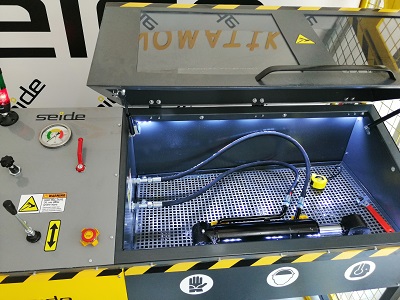
Why is a Hydraulic Hose Testing Machine Important?
Hydraulic hoses are often subject to sudden pressure fluctuations (peak pressures) well above their operating pressure. It is impossible to understand how a hose will react under pressure just by looking at its appearance.
Technical Specifications and Working Principle
A modern hydraulic hose testing machine typically operates in two main phases: Static Pressure Testing and Dynamic (Impulse) Testing.
These machines trap the hose in a secure cabin. The inside of the hose is filled with water or a special test fluid. Once the air is released, pressure is applied, usually 1.5 or 2 times the working pressure.
Hydraulic Hose Testing Standards: What Pressure Should Be Applied?
According to international standards (such as SAE J517 or EN 853), hoses are usually tested according to these criteria:
|
Test Type |
Applied Pressure |
Purpose |
|
Working Pressure (WP) |
Normal pressure of the system |
Sets the daily usage limit. |
|
Proof Pressure |
WP x 1.5 |
Checks for leakage and capping |
|
Burst Pressure |
WP x 4 |
It determines the maximum strength limit of the hose. |
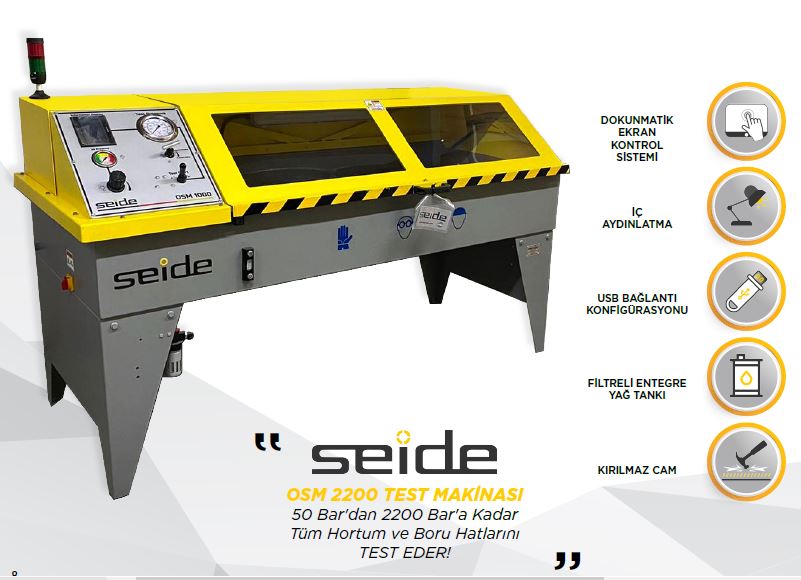
Note: Routine workshop checks usually use a "Proof Test". It is not intended to burst the hose, it is simply confirmed to be safe.
What to Consider When Choosing the Right Testing Machine
When purchasing or having a hydraulic hose test unit manufactured, you should consider these technical details:
Conclusion: Quality is not a coincidence
The hydraulic hose testing machine is not a luxury but a must-have for professional hydraulic services. Using the right equipment reduces your operating costs and increases your brand reliability.
Are you also looking for the most suitable hydraulic hose testing solutions for your production line? You can get detailed information about our machines with capacities and features specific to your needs by contacting our technical team.