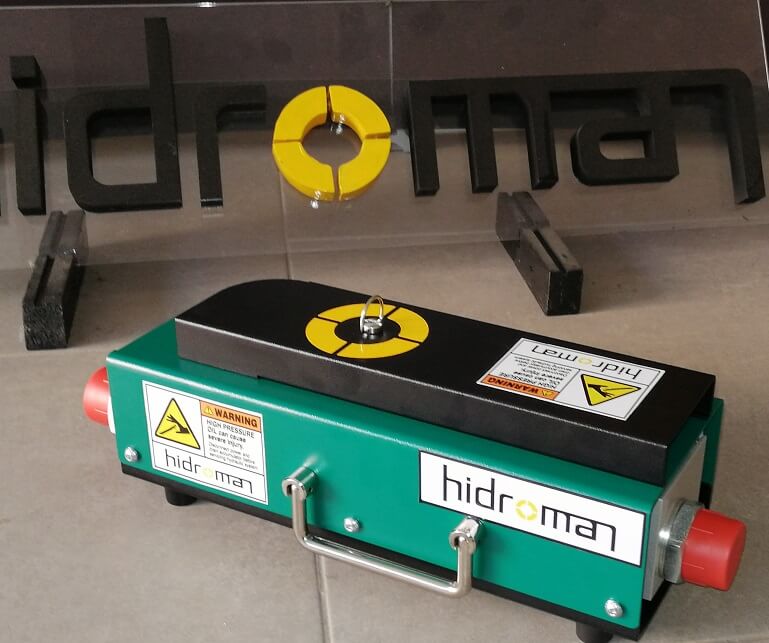
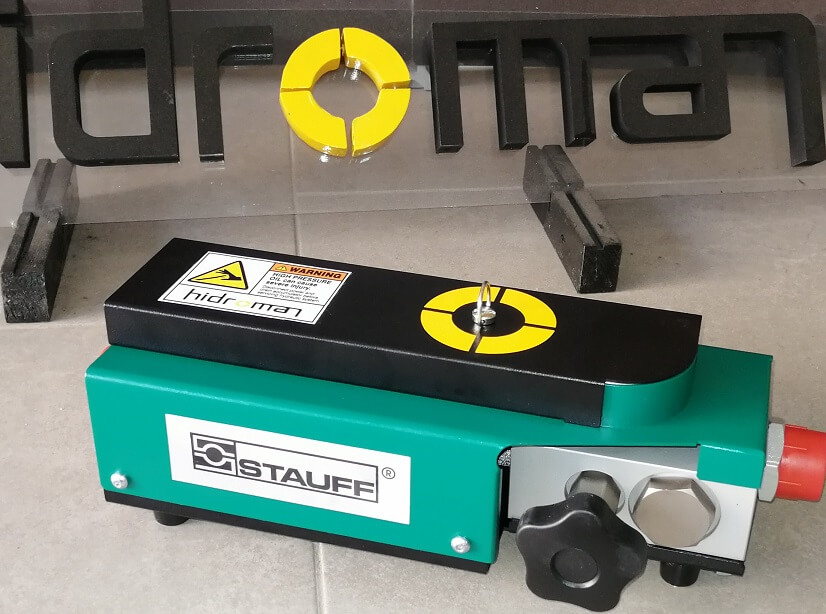
Hydraulic test systems are engineered solutions used to test hydraulic components, equipment, and complete hydraulic systems under controlled operating conditions. They can be designed to measure pressure, flow rate, temperature, leakage, performance, and durability.
Hidroman designs and manufactures hydraulic test systems, hydraulic test equipment, flow test units, high-pressure test machines, and custom hydraulic test benches for OEM manufacturers, hydraulic service centers, industrial facilities, heavy equipment companies, and demanding applications.
A properly designed hydraulic test system helps identify performance problems before equipment reaches the field, reduces unexpected failures, and provides measurable quality control.
Prevent failures before they happen—not after they happen.
A hydraulic test system is a specialized machine or test station designed to evaluate the performance, reliability, and condition of hydraulic components and systems.
Depending on the application, a hydraulic test system can measure and control:
Hydroman develops hydraulic testing solutions according to the component being tested and the customer's technical requirements.
These systems can be configured for individual components or integrated into production and maintenance processes.
Hydraulic systems often develop performance problems that cannot be identified through visual inspection alone. Reduced flow, pressure loss, internal leakage, excessive temperature, or declining pump efficiency can significantly affect machine performance.
A professional hydraulic test system allows these parameters to be measured under controlled conditions.
Hydraulic testing can be used to:
This makes hydraulic testing an important part of both manufacturing quality control and hydraulic service operations.
Hydraulic test equipment can range from compact portable flow testers to fully automated industrial test benches.
Hidroman develops solutions based on the required pressure, flow rate, test cycle, measurement parameters, and level of automation.
Typical hydraulic test equipment includes:
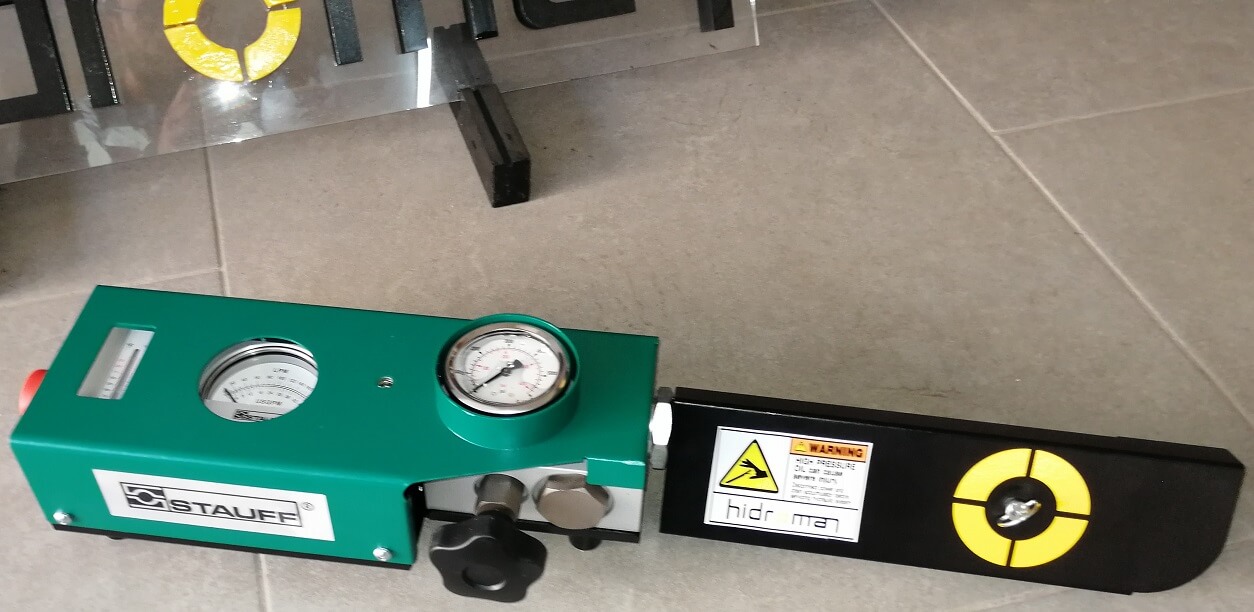
Hydraulic flow test equipment is used to measure flow rate, pressure, and other operating parameters in hydraulic systems.
Portable flow test units are particularly useful for field service, heavy equipment maintenance, construction machinery, agricultural equipment, and hydraulic troubleshooting.
Depending on the configuration, a flow test unit can help evaluate:
Quick-connect hydraulic couplings can be used to simplify connection and removal during service applications.
Hidroman can develop hydraulic flow testing solutions according to the application and required measurement range.
A hydraulic pump test stand is used to verify the performance and operating condition of hydraulic pumps during manufacturing, repair, rebuilding, and quality control.
Depending on the application, pump testing can include:
Hidroman designs custom hydraulic pump test stands for different pump types, operating pressures, flow requirements, and testing procedures.
Custom test systems can also be configured for production environments where repeatable testing and documented results are required.
Hydraulic cylinders operate under high loads and pressures, making proper testing essential for both new and rebuilt components.
A hydraulic cylinder test bench can be designed to perform:
Hidroman can develop cylinder test benches according to cylinder dimensions, pressure requirements, stroke length, test procedure, and customer production requirements.
For hydraulic cylinder manufacturers and repair facilities, a dedicated test bench can provide a repeatable method for verifying cylinder quality before installation or delivery.
Hydraulic hoses are critical safety components in high-pressure hydraulic systems. Proper pressure and leakage testing helps verify hose assembly quality before the hose is placed into service.
A hydraulic hose test machine can be configured for pressure testing, leakage inspection, and quality control.
Hidroman's hydraulic hose manufacturing process includes controlled production, flushing, and 100% leakage testingaccording to the applicable application requirements.
Hydraulic hose testing can help identify problems related to:
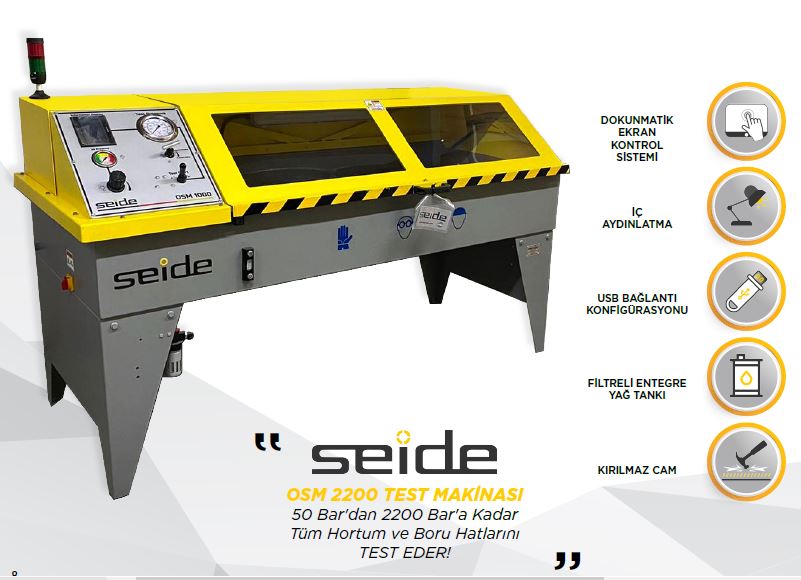
Certain hydraulic applications require testing at significantly higher pressures than standard hydraulic equipment.
High-pressure hydraulic test systems can be engineered according to the required test pressure, test medium, flow rate, safety requirements, and test duration.
Depending on the application, a high-pressure test system may include:
Hidroman develops high-pressure testing solutions for industrial and heavy-duty applications where controlled and repeatable testing is required.
The parameters measured by a hydraulic test system depend on the application and test procedure.
Pressure
Pressure measurement verifies whether the component or system operates within the specified pressure range.
Flow Rate
Flow measurement helps determine whether a hydraulic pump, motor, valve, or complete circuit is delivering the required flow.
Temperature
Hydraulic oil temperature can affect viscosity, efficiency, component life, and overall system performance.
RPM
Rotational speed measurement is particularly important when testing hydraulic pumps and motors.
Leakage
Leakage testing can help identify external leaks as well as internal leakage that may reduce component efficiency.
Load
Load testing allows components to be evaluated under controlled operating conditions that simulate real-world applications.
Additional sensors and measurement systems can be integrated when required by the application.
A hydraulic test bench applies controlled hydraulic pressure, flow, or load to the component being tested while measuring the required operating parameters.
A typical testing procedure includes:
Automated hydraulic test benches can perform predefined test sequences to improve repeatability and reduce operator-dependent variations.
Hydraulic test systems can be integrated into manufacturing quality control processes.
For OEM and component manufacturers, testing before shipment can help verify that each component meets the required specifications.
A production hydraulic test system can be designed with:
This approach helps manufacturers create a more consistent and traceable quality control process.
Hydraulic repair facilities need reliable methods to verify components after disassembly, repair, or rebuilding.
A hydraulic test bench allows repaired components to be tested before they are returned to service.
This can help service centers:
For heavy equipment and industrial hydraulic repair operations, testing before installation can significantly reduce the risk of returning a defective component to service.
Hydraulic testing is used across a wide range of industries.
Construction Equipment
Excavators, wheel loaders, crushers, attachments, and other heavy equipment rely heavily on hydraulic systems.
Mining
Mining equipment often operates under extreme loads and demanding conditions. Hydraulic component testing can help verify reliability before equipment returns to operation.
Agriculture
Hydraulic pumps, valves, cylinders, motors, and attachments used in agricultural machinery can be tested for performance and leakage.
Industrial Machinery
Machine manufacturers can use hydraulic test systems for production quality control and final inspection.
Heavy Industry
Steel, metal processing, material handling, and other heavy industrial applications often require high-performance hydraulic equipment and reliable testing procedures.
Hydraulic Service Centers
Repair and rebuild facilities can use hydraulic test benches to verify component performance after service.
Selecting the right hydraulic test system starts with understanding the component and the required testing procedure.
Important factors include:
A standard test machine may be suitable for common applications. However, specialized components often require a custom hydraulic test bench.
Hidroman evaluates the complete application before designing the test system.
Not every hydraulic testing application can be solved with an off-the-shelf machine.
Hidroman designs custom hydraulic test systems according to the customer's component, test procedure, pressure, flow, measurement requirements, and production process.
A custom hydraulic test system can be developed around:
From compact manual test units to fully automated production test stations, the system can be engineered around the actual application.
A hydraulic test system is more than a pump, pressure gauge, and control panel.
Reliable hydraulic testing requires the correct combination of:
Hidroman combines hydraulic engineering and manufacturing experience to develop test solutions for demanding industrial applications.
Our approach focuses on producing repeatable, measurable, and reliable test results rather than simply applying pressure to a component.
Hidroman provides hydraulic testing solutions for OEM manufacturers, hydraulic component manufacturers, repair facilities, service centers, heavy equipment companies, and industrial applications.
Whether you need a hydraulic flow tester, pump test stand, hydraulic cylinder test bench, hose test machine, high-pressure test system, or a completely custom test station, Hidroman can develop a solution around your technical requirements.
Share your test requirements with our engineering team and let us develop the right hydraulic testing solution for your application.
What is a hydraulic test system?
A hydraulic test system is equipment designed to evaluate hydraulic components or systems by measuring parameters such as pressure, flow, temperature, leakage, speed, and performance under controlled conditions.
What can be tested with a hydraulic test bench?
Depending on its design, a hydraulic test bench can be used to test hydraulic pumps, motors, cylinders, valves, hoses, manifolds, fittings, and other hydraulic components.
What is a hydraulic pump test stand used for?
A hydraulic pump test stand is used to measure pump pressure, flow, speed, leakage, performance, and other operating parameters during manufacturing, repair, rebuilding, or quality control.
What is hydraulic flow testing?
Hydraulic flow testing measures the amount of hydraulic fluid moving through a system or component and evaluates how the system performs under specified pressure and load conditions.
Why is hydraulic pressure testing important?
Pressure testing helps verify component integrity, identify leakage, confirm operating performance, and reduce the risk of hydraulic failures after installation.
Does Hidroman manufacture custom hydraulic test systems?
Yes. Hidroman can design and manufacture custom hydraulic test systems according to pressure, flow, component dimensions, test cycles, measurement requirements, automation, and customer-specific testing procedures.
Can hydraulic test systems be automated?
Yes. Depending on the application, hydraulic test systems can incorporate PLC control, automated test sequences, digital measurement, safety interlocks, data acquisition, and test result reporting.