Hydraulic Hose Assemblies & Manufacturing | Hidroman
Hydraulic Hose Assemblies and High-Pressure Hydraulic Hose Manufacturing | Hidroman
Hydraulic hose assemblies play a critical role in the safe and efficient operation of hydraulic systems. They transfer pressurized hydraulic fluid between pumps, valves, cylinders, hydraulic motors and other system components.
In mobile and industrial hydraulic applications, hose assemblies must withstand operating pressure, temperature variations, vibration, mechanical movement and demanding environmental conditions.
Hidroman provides hydraulic hose assembly solutions for industrial machinery, construction equipment, mining applications, agricultural machinery and OEM hydraulic systems.
Our approach covers the complete hose assembly process, including hose selection, cutting, skiving when required, fitting installation, precision crimping, internal cleaning, pressure testing, product identification and protective packaging.
What Is a Hydraulic Hose Assembly?
A hydraulic hose assembly consists of a flexible hydraulic hose combined with compatible fittings and connectors. It is designed to transfer pressurized hydraulic fluid safely between different components of a hydraulic system.
Hydraulic hoses are commonly manufactured using synthetic rubber or thermoplastic materials. Depending on the application, their reinforcement may consist of textile layers, braided steel wire or multiple spiral steel wire layers.
A properly selected and manufactured hydraulic hose assembly helps provide:
Reliable hydraulic fluid transfer
Flexible connections between moving components
Resistance to operating pressure and vibration
Easier installation in compact machinery
Improved maintenance and replacement processes
Reliable operation when used within specified limits
Types of Hydraulic Hoses
Different hydraulic applications require different hose constructions. Hose selection should be based on working pressure, temperature, fluid compatibility, routing requirements and the operating environment.
1. Wire-Braided Hydraulic Hoses
Wire-braided hydraulic hoses use one or more layers of steel wire reinforcement. They are commonly used in medium- and high-pressure hydraulic applications.
Common hose standards include SAE 100R1AT and SAE 100R2AT.
Typical applications include construction equipment, agricultural machinery, industrial hydraulic systems and mobile equipment.
2. Spiral Wire Hydraulic Hoses
Spiral wire hydraulic hoses are designed for demanding applications requiring high pressure resistance and heavy-duty performance.
Depending on the hose construction, relevant standards include:
EN 856 4SP
EN 856 4SH
SAE 100R12
SAE 100R13
SAE 100R15
These hoses are commonly used in mining equipment, heavy construction machinery and high-pressure hydraulic systems.
3. Thermoplastic Hydraulic Hoses
Thermoplastic hoses offer lightweight construction and flexibility for selected hydraulic applications.
They can be used in compact hydraulic systems, control lines, hydraulic testing equipment and specialized machinery.
Pressure rating, temperature limits and fluid compatibility must always be checked against the hose manufacturer's specifications.
4. Special Application Hydraulic Hoses
Some applications require hose assemblies with specific material, reinforcement, cleanliness or routing characteristics.
These may include specialized spiral hoses, clean hose assemblies and custom configurations designed around particular machine requirements.
How to Select the Right Hydraulic Hose
Selecting the correct hydraulic hose is essential for equipment reliability and operator safety. An unsuitable hose can result in leakage, premature failure, equipment downtime and potential safety hazards.
The following technical criteria should be evaluated before selecting a hose assembly.
Working pressure: The hose must be rated for the system's maximum operating pressure, including relevant pressure fluctuations. Working pressure and burst pressure are not interchangeable.
Temperature range: Both hydraulic fluid temperature and ambient operating temperature must be considered.
Inside diameter: The hose diameter should match the required flow rate. Incorrect sizing may increase pressure loss, heat generation or flow restrictions.
Fluid compatibility: The hose tube material must be compatible with the hydraulic fluid or other media being conveyed.
Minimum bend radius: The hose must be routed without exceeding the manufacturer's specified minimum bend radius.
Reinforcement type: Braided or spiral wire reinforcement should be selected according to pressure requirements and operating conditions.
Fitting compatibility: Fittings and adapters must match the connection standard and the hose construction.
Hydraulic Hose Fittings and Connection Standards
Choosing the correct fitting is just as important as selecting the correct hose. An incompatible fitting or incorrect crimp specification can compromise the mechanical strength and sealing performance of the assembly.
Depending on the equipment and application, hydraulic hose assemblies may use the following connection standards:
BSP and BSPT
JIC
NPT
ORFS
SAE Flange
Metric DIN
JIS
ORB
Caterpillar and Komatsu connection types
Thread dimensions, sealing surfaces, pressure ratings, hose compatibility and installation specifications should be verified before assembly.
Hidroman Hydraulic Hose Assembly Manufacturing Process
Hydraulic hose manufacturing involves more than simply attaching a fitting to a hose. Each production stage contributes to the reliability, cleanliness and performance of the finished assembly.
1. Engineering Assessment and Hose Selection
The process begins with an assessment of the application.
The following parameters are reviewed:
Operating pressure
Required flow rate
Fluid and ambient temperature
Hydraulic fluid compatibility
Hose routing and installation space
Fitting and connection standards
Mechanical movement and vibration
Based on these requirements, the appropriate hose construction, diameter, reinforcement and fittings are selected.
2. Hydraulic Hose Cutting
The hose is cut to the required length using suitable hose cutting equipment.
Accurate cutting helps prepare the hose for the fitting installation process and supports consistent assembly quality.
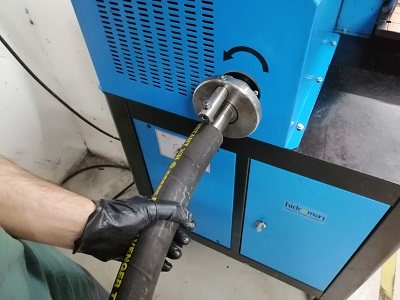
3. Hose Skiving
When required by the hose and fitting design, internal or external skiving is performed.
This operation prepares the hose end for the specified fitting and assembly method.
4. Fitting Installation
Compatible hydraulic fittings are positioned at the hose ends.
Correct fitting selection is essential for reliable connections and proper sealing performance.
5. Hydraulic Hose Crimping
The hose and fitting are joined using appropriate hose crimping equipment.
Crimp diameter and assembly parameters must follow the applicable hose and fitting manufacturer's specifications.
Incorrect crimping may lead to fitting separation, leakage or premature hose failure.
6. Hose Internal Cleaning
Internal cleaning helps remove particles and manufacturing residues that could otherwise enter the hydraulic system.
This step is particularly important for sensitive hydraulic equipment, where contamination can affect valves, pumps, cylinders and other precision components.
7. Pressure and Leakage Testing
Hydraulic hose assemblies are tested before shipment to verify sealing performance.
Test conditions must be selected according to the hose specifications and the requirements of the intended application.
Hidroman does not ship its manufactured hydraulic hose assemblies before the leakage test has been completed.
8. Product Marking and Traceability
Each hose assembly is identified through a coding system that supports product traceability.
Tracking assemblies through their original part codes helps simplify maintenance, replacement and spare parts management.
This is particularly valuable for OEM manufacturers and industrial customers operating machinery with multiple hose configurations.
9. Protective Packaging and Shipment
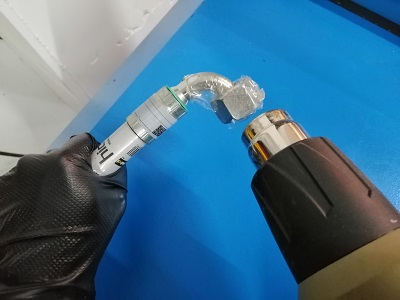
Hydraulic hose assemblies are packaged to help protect them against contamination and damage during storage and transportation.
Hidroman's packaging approach supports product cleanliness from manufacturing through delivery and installation.
Why Hydraulic Hose Traceability Matters
Traceability is important for OEM manufacturers, construction equipment manufacturers, mining companies and industrial facilities.
A reliable identification system helps maintenance teams:
Identify the correct replacement hose
Match assemblies with original part references
Manage spare parts more efficiently
Reduce errors during maintenance
Support consistent service operations
Hidroman uses hose-specific identification and coding to support the tracking of manufactured assemblies.
Hydraulic Hose Applications
Hydraulic hose assemblies are used in a wide range of industries where pressurized fluid transfer is required.
Typical applications include:
Construction equipment: Excavators, wheel loaders, cranes, breakers and other mobile machinery.
Mining equipment: Drilling machines, crushers, conveyors and heavy-duty mobile equipment.
Agricultural machinery: Tractors, harvesters and agricultural attachments.
Industrial manufacturing: Hydraulic presses, production lines, power units and automation systems.
Marine applications: Deck machinery and hydraulic control systems.
Railway equipment: Hydraulic maintenance machinery and specialized mobile equipment.
Special-purpose vehicles: Hydraulic drive systems, lifting equipment and control circuits.
How to Extend Hydraulic Hose Service Life
Hydraulic hose service life depends on operating pressure, temperature, installation geometry, vibration, external damage and maintenance conditions.
To support reliable operation:
Use hoses within their specified pressure and temperature limits.
Follow the manufacturer's minimum bend radius.
Avoid twisting or excessive tension during installation.
Protect hoses from abrasion and sharp edges.
Inspect hose covers and fitting connections regularly.
Check for leaks, cracks, blistering and exposed reinforcement.
Use the correct hose specification and original part reference when replacing an assembly.
Damaged hoses should be evaluated and replaced when necessary. Never use your hands to search for leaks in a pressurized hydraulic system. High-pressure fluid injection injuries can be extremely serious.
Hydraulic Hose Assembly Solutions from Hidroman
Hidroman provides hydraulic hose assembly solutions for demanding industrial and mobile hydraulic applications.
Through project-based cooperation with brands such as Gates, Hansa-Flex, Parker and SEL, Hidroman supports different hose and fitting requirements.
Our manufacturing approach covers hose selection, cutting, skiving when required, fitting installation, precision crimping, internal cleaning, leakage testing, identification and protective packaging.
From OEM production lines to mining machinery and industrial hydraulic systems, selecting the correct hose assembly is essential for equipment reliability and operational continuity.
At Hidroman, our goal is to support system reliability before failures occur through proper engineering, suitable components and controlled manufacturing processes.
Contact Hidroman for hydraulic hose assemblies, high-pressure hose solutions and application-specific hydraulic connections.
Related Articles
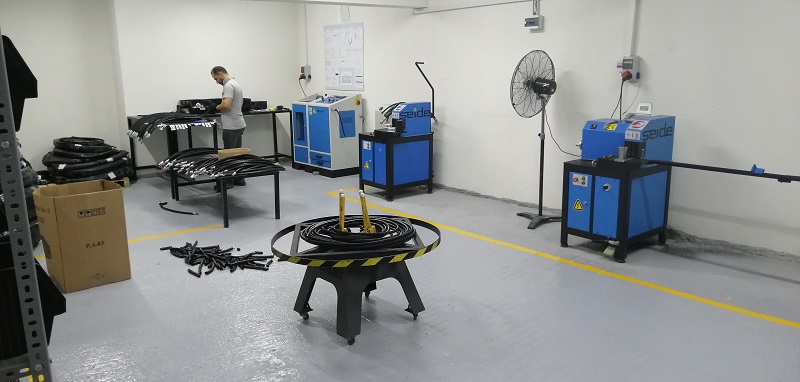
Hydraulic Hose Production Line and Images and Production Process Map;
Hose cutting operation ;
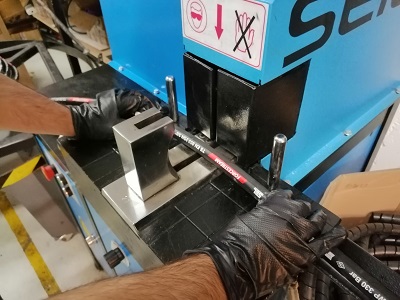
Hose peeling operation
Hose fitting operation
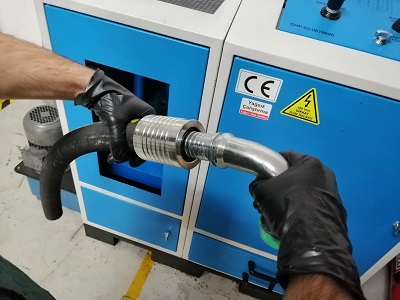
Hose Crimping Opretarion
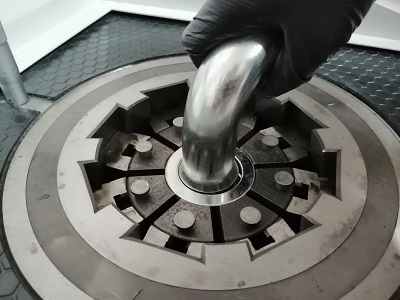
Hose Washing Operation
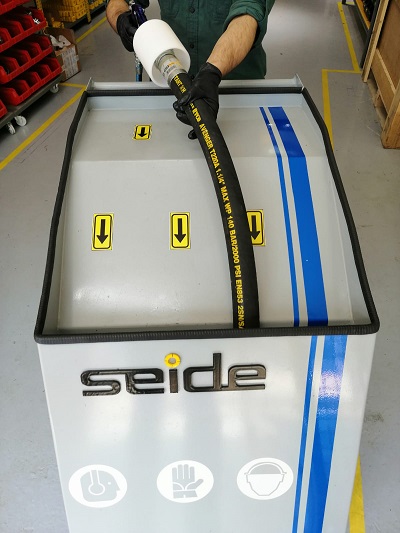
Hose Test Operation
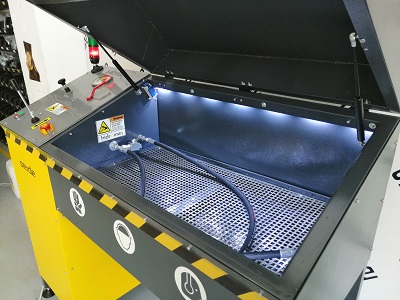
Hose Marking Operation