


Hydraulic system design is the engineering process of developing a complete hydraulic solution based on the required force, pressure, flow rate, speed, duty cycle, operating environment, and machine requirements.
Hidroman provides custom hydraulic system design and hydraulic engineering services for industrial machinery, mobile equipment, mining applications, construction machinery, heavy-duty equipment, and specialized OEM applications.
From hydraulic circuit design and component selection to hydraulic power unit manufacturing, testing, installation, and commissioning, Hidroman provides an integrated approach to hydraulic system engineering.
Hydraulic system design involves selecting and integrating the hydraulic components required to safely and efficiently convert hydraulic energy into controlled mechanical motion.
A properly engineered hydraulic system requires more than selecting a pump or hydraulic power unit. All components must be correctly sized and matched to the application's operating conditions.
During the hydraulic design process, Hidroman evaluates:
The objective is to develop a hydraulic system that provides reliable performance, controlled operation, serviceability, and long-term operating efficiency.
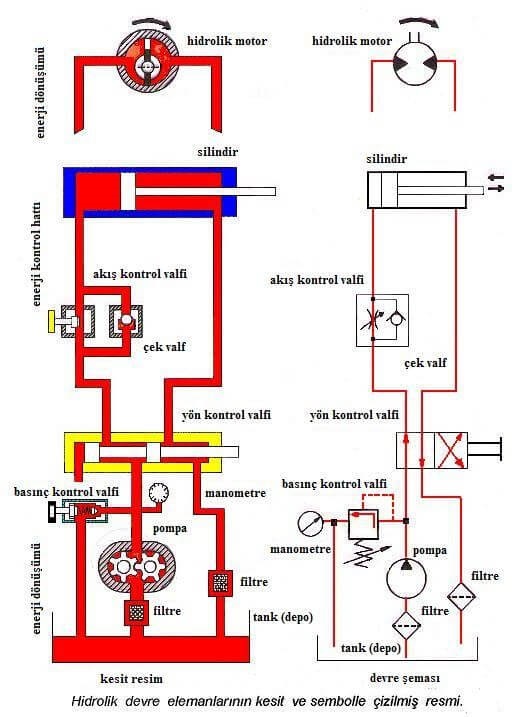
Hidroman develops custom hydraulic solutions based on the technical requirements of each machine or application.
Depending on the project, our hydraulic engineering services can include:
This engineering approach allows OEMs and industrial customers to develop hydraulic systems that are designed specifically for their equipment rather than relying on generic solutions.
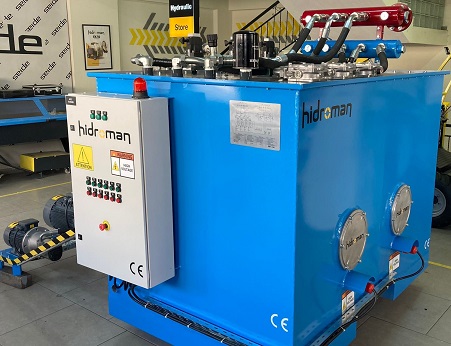
A hydraulic power unit (HPU) provides the hydraulic power required to operate cylinders, hydraulic motors, actuators, and other hydraulic equipment.
Depending on the application, an HPU may include:
Hidroman provides custom hydraulic power unit design and manufacturing based on required pressure, flow, reservoir capacity, operating cycle, electrical supply, and installation requirements.
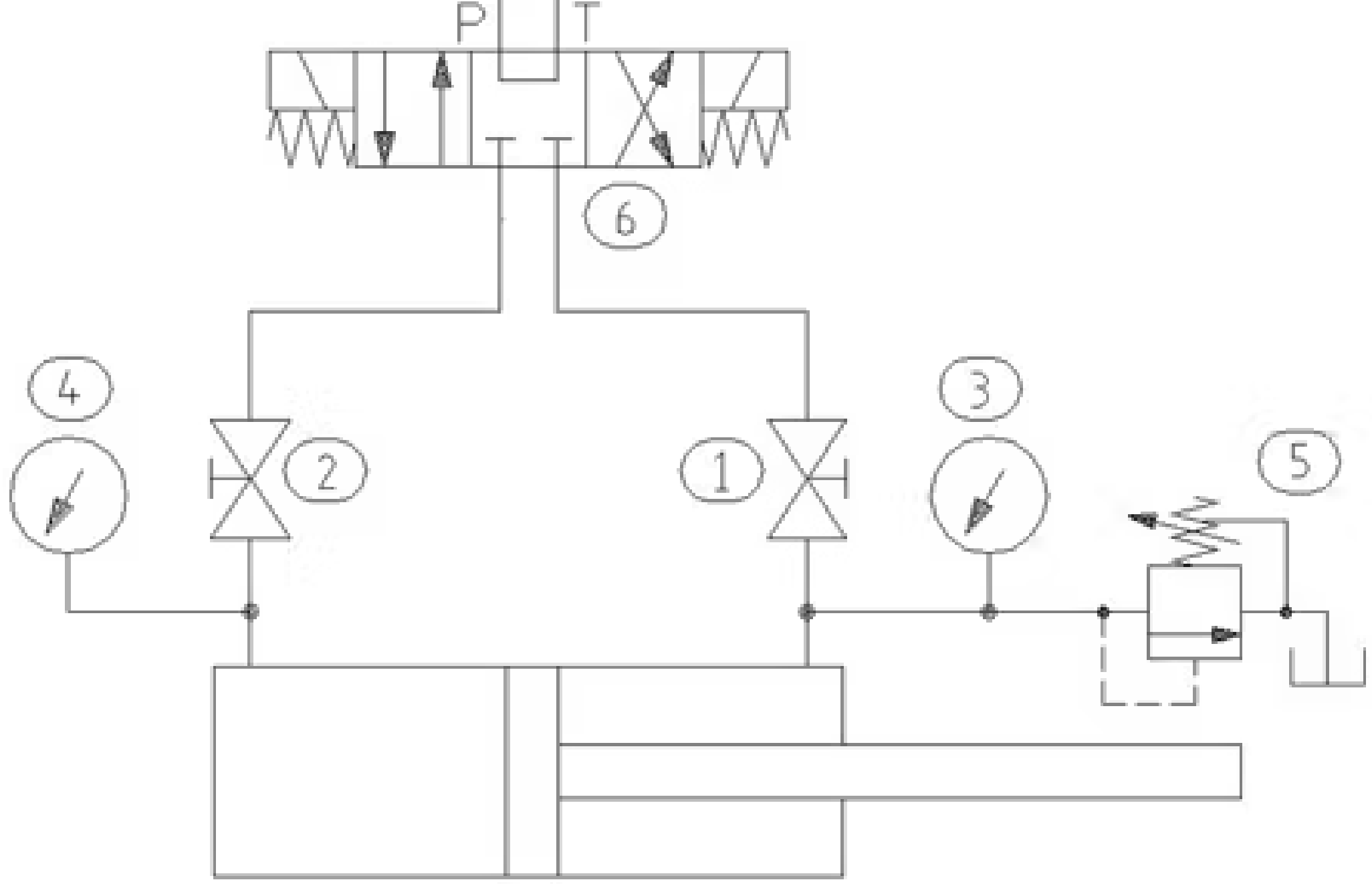
Hydraulic circuit design determines how hydraulic components work together to produce the required movements and control functions.
The circuit may control:
A properly designed hydraulic circuit can help improve machine control, reduce unnecessary energy consumption, minimize component stress, and improve overall system reliability.
3D Hydraulic System Design
3D CAD design is particularly important when hydraulic equipment must be integrated into an existing machine or a new OEM design.
Hidroman can develop 3D hydraulic system layouts for hydraulic power units, reservoirs, manifolds, piping, hoses, and other hydraulic components.
3D design allows potential issues to be identified before manufacturing, including:
This helps reduce design changes during manufacturing and installation.
OEM hydraulic systems often require application-specific engineering rather than standard off-the-shelf equipment.
Hidroman works with OEM and industrial customers to develop hydraulic systems according to machine-specific requirements.
Depending on the application, the project may include:
The hydraulic system can be designed as a complete assembly or integrated into an existing machine architecture.
Hydraulic system requirements vary significantly depending on the application and operating environment.
Hidroman provides hydraulic engineering and custom system solutions for applications such as:
Each system is designed according to the required operating pressure, flow, load, cycle time, environmental conditions, and available installation space.
Hydraulic engineering is not limited to new machine projects.
Existing hydraulic systems can also be analyzed and redesigned when performance, reliability, or maintenance problems occur.
Common reasons for hydraulic system redesign include:
Hidroman can evaluate the existing hydraulic architecture and develop an upgraded or redesigned solution based on the actual operating requirements.
Correct component sizing is one of the most important parts of hydraulic system engineering.
The pump, motor, valves, cylinders, filters, reservoir, hoses, piping, and cooling system must be selected as an integrated system.
Incorrect sizing can result in:
For this reason, hydraulic component selection should be based on actual operating conditions rather than component availability or nominal specifications alone.
To develop an accurate hydraulic system design, the following information is useful:
The more detailed the application information, the more accurately the hydraulic system can be engineered and sized.
Hydraulic system engineering does not have to end with a hydraulic schematic.
For suitable projects, Hidroman can provide an integrated process covering:
This approach allows the hydraulic system to be evaluated as a complete assembly before being delivered to the customer.
Depending on the project, testing can include pressure testing, functional testing, leakage inspection, flow verification, and other application-specific checks.
A hydraulic system consists of interconnected components that directly affect one another.
Pump selection affects flow and pressure. Valve selection affects control and pressure losses. Reservoir size affects thermal performance. Filtration affects hydraulic cleanliness and component life. Hose and pipe sizing affects flow velocity and pressure drop.
For this reason, hydraulic system design should consider the complete system rather than individual components.
A properly engineered hydraulic system can provide:
Hidroman provides custom hydraulic system design, hydraulic engineering, hydraulic power unit design, hydraulic circuit design, hydraulic manifold design, and hydraulic system manufacturing for industrial and OEM applications.
Our engineering approach combines hydraulic design with practical manufacturing capabilities, allowing hydraulic systems to be developed with both performance and manufacturability in mind.
Whether you are developing a new machine, upgrading an existing hydraulic system, or looking for a custom hydraulic power unit, Hidroman can develop a hydraulic solution according to your technical requirements.
Send us your machine specifications, hydraulic requirements, drawings, or existing system information to discuss your hydraulic system design project.