


Hydraulic System Symbols: A Guide to Reading Circuit Diagrams
Hydraulic systems are at the heart of modern engineering, from construction equipment to industrial factories. However, the way to understand a hydraulic circuit is not by following complex pipelines but by reading hydraulic system symbols correctly.
In this article, we will explore the key hydraulic symbols that adhere to ISO 1219 standards and their critical role in circuit diagrams.
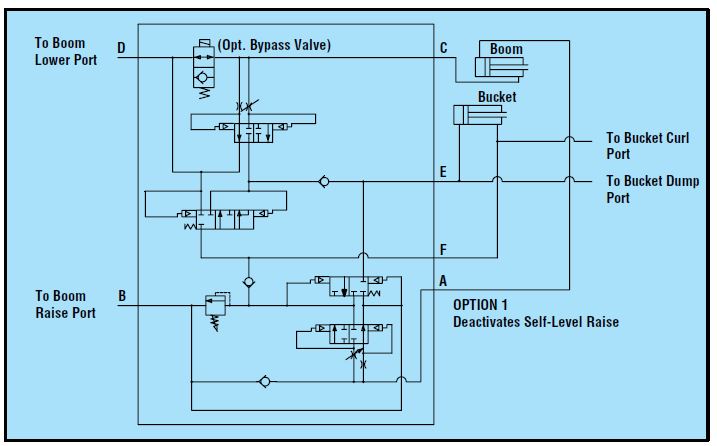
Why Are Hydraulic Symbols Important?
Hydraulic symbols represent the function of a component rather than its external appearance . Thanks to this "universal language":
Basic Hydraulic Component Symbols
When you look at a hydraulic diagram, the most common groups you will come across are:
Symbols for hydraulic pumps are usually denoted by a circle and a triangle within it.
The rollers, which are where the work is done, are the mechanical output of the system.
Valve symbols are usually represented by squares (boxes) that are next to each other.
Line Types in Hydraulic Schemes
As much as the symbols, the lines connecting them are of great importance:
|
Line Type |
Meaning |
|
Continuous Line |
Main flow line (Pressure or return line) |
|
Dashed Line |
Pilot signal line or leakage line |
|
Dotted Frame |
Groups multiple components within a block |
Tip for Technical Maintenance: Symbol Reading
When following the scheme in case of a breakdown, remember about the "Normal Position" rule. Hydraulic diagrams are always drawn based on the position they have when the system is not running (no energy). If you see a spring on a valve, that is your starting point when the system stops, in which box that spring pushes the valve to the position.
Conclusion
Hydraulic system symbols are the alphabet of the hydraulic world. Mastering these symbols is not just an engineering skill but also a key to operational safety.
Would you like me to analyze a more complex circuit diagram together? I can detail the working principle of a particular valve type or system.