


Hydraulic Cylinder Disassembly Guide
Using a Professional Hydraulic Cylinder Repair Bench
Hydraulic cylinders are essential components used in heavy machinery, industrial equipment, construction machines, and manufacturing systems. Over time, seals wear out, internal components fail, and hydraulic contamination can damage cylinder parts. When this happens, a proper hydraulic cylinder disassembly process becomes necessary.
One of the most important tools used during maintenance is a hydraulic cylinder repair bench. This equipment allows technicians to safely open, repair, and reassemble large hydraulic cylinders used in industrial applications.
This guide explains the complete hydraulic cylinder disassembly process and the advantages of using a professional hydraulic cylinder repair bench.
What Is a Hydraulic Cylinder Repair Bench?
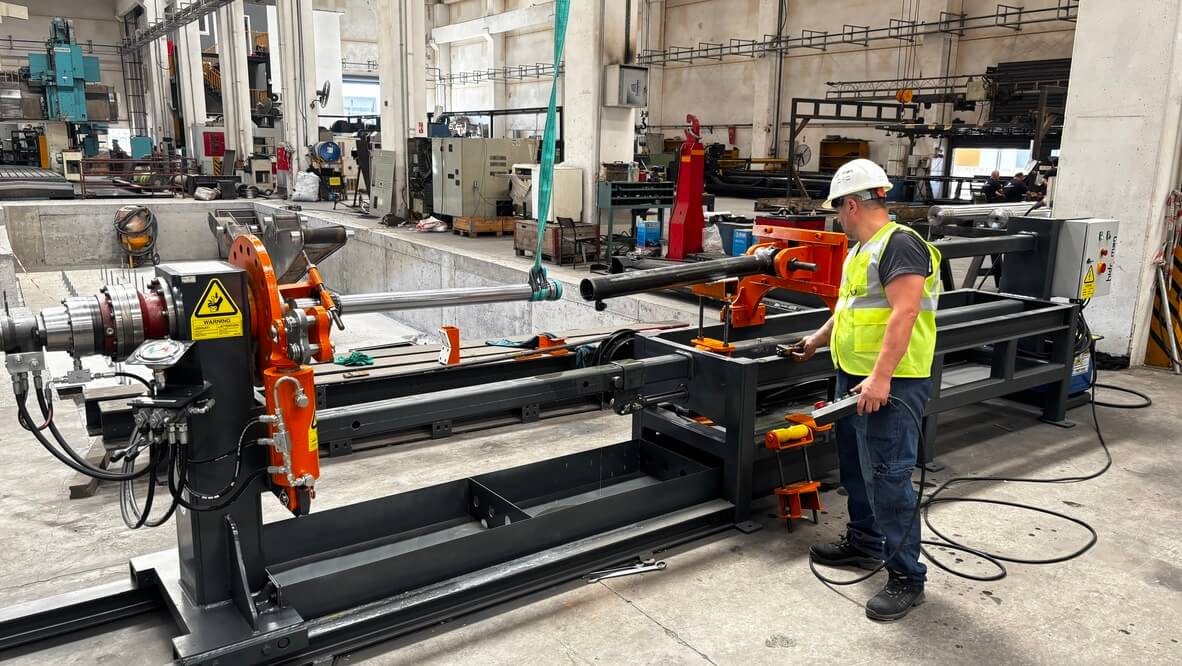
A hydraulic cylinder repair bench is a specialized machine designed for safely disassembling and repairing hydraulic cylinders. It is commonly used in hydraulic service workshops, maintenance facilities, and heavy equipment repair centers.
A professional hydraulic cylinder repair bench allows technicians to hold the cylinder securely while applying controlled torque to remove cylinder heads, piston nuts, and other threaded components.
Key advantages of using a hydraulic cylinder repair bench include:
For large cylinders used in mining, construction, and industrial machinery, a hydraulic cylinder repair bench is an essential piece of maintenance equipment.
Why Hydraulic Cylinder Disassembly Is Necessary
Hydraulic cylinders operate under extreme pressure and heavy mechanical loads. Over time, several issues may require disassembly and repair.
Common hydraulic cylinder problems include:
During maintenance operations, a hydraulic cylinder repair bench ensures that these components can be safely accessed and repaired.
Tools Required for Hydraulic Cylinder Disassembly
Professional hydraulic cylinder repair workshops use specialized equipment to ensure safe and efficient maintenance.
Typical tools include:
Among these tools, the hydraulic cylinder repair bench is the most critical machine because it stabilizes the cylinder and enables controlled disassembly.
Step-by-Step Hydraulic Cylinder Disassembly Process
Before removing the cylinder from the machine, it is essential to release all hydraulic pressure.
Important safety steps include:
Failure to release pressure may cause serious accidents during disassembly.
Once the system is depressurized, the cylinder can be removed from the equipment.
This process typically involves:
Large cylinders can weigh hundreds of kilograms, so proper handling equipment is required.
The cylinder must be firmly secured before opening it. A hydraulic cylinder repair bench is specifically designed to hold the cylinder safely during maintenance.
Using a hydraulic cylinder repair bench provides several advantages:
Most professional repair workshops rely on a hydraulic cylinder repair bench to perform cylinder overhaul operations efficiently.
The next step is removing the cylinder head or gland. Depending on the cylinder design, this may involve:
In many heavy-duty cylinders, the head is tightly threaded and requires high torque to remove. A hydraulic cylinder repair bench allows technicians to apply this torque safely without damaging the cylinder.
After removing the cylinder head, the piston rod assembly can be carefully removed from the barrel.
The assembly typically contains:
Careful handling is necessary to prevent scratches on the precision surfaces.
Once disassembled, all cylinder components must be inspected carefully.
Inspection areas include:
Professional workshops usually perform cleaning and inspection on the hydraulic cylinder repair bench to ensure accurate maintenance.
Common Hydraulic Cylinder Failures
During disassembly, technicians often identify common cylinder failures such as:
Seal Wear
Hydraulic seals degrade over time due to pressure cycles and contamination.
Rod Damage
Scratches or corrosion on the rod can cause rapid seal failure.
Oil Contamination
Contaminated hydraulic oil can damage cylinder surfaces and reduce equipment reliability.
Misalignment
Improper installation may cause uneven loading and premature failure.
A professional hydraulic cylinder repair bench helps technicians diagnose these issues more efficiently.
Safety Tips for Cylinder Disassembly
Hydraulic cylinder maintenance involves heavy components and high torque. Safety should always be a priority.
Important safety practices include:
Using the right equipment significantly reduces maintenance risks.
Why Workshops Use a Hydraulic Cylinder Repair Bench
Manual cylinder repair methods are time-consuming and unsafe, especially for large cylinders used in heavy equipment.
A professional hydraulic cylinder repair bench provides:
For hydraulic service companies, investing in a hydraulic cylinder repair bench improves productivity and service quality.
Conclusion
Hydraulic cylinder maintenance requires proper tools, professional procedures, and safe working conditions. The disassembly process must be performed carefully to avoid damage to precision components.
A hydraulic cylinder repair bench is the most effective solution for safely disassembling and repairing hydraulic cylinders used in industrial machinery and heavy equipment.
For maintenance workshops, using professional cylinder repair equipment ensures faster service, improved safety, and reliable repair results.