


How to Choose the Right Hydraulic Cylinder? A Technical Guide for Industrial Applications
Hydraulic cylinders are one of the most important components used in hydraulic systems to generate linear force and controlled movement. The correct hydraulic cylinder selection directly affects machine performance, reliability, efficiency, and operating life.
Choosing a hydraulic cylinder is not only about selecting a bore size or stroke length. Working pressure, load type, mounting configuration, operating environment, and application requirements must all be evaluated together.
In our previous article, we explained what a hydraulic cylinder is and the main types of hydraulic cylinders. In this article, we focus on the key engineering factors that should be considered when selecting the right hydraulic cylinder for industrial applications.
Key Factors in Hydraulic Cylinder Selection
The force generated by a hydraulic cylinder depends mainly on system pressure and piston diameter.
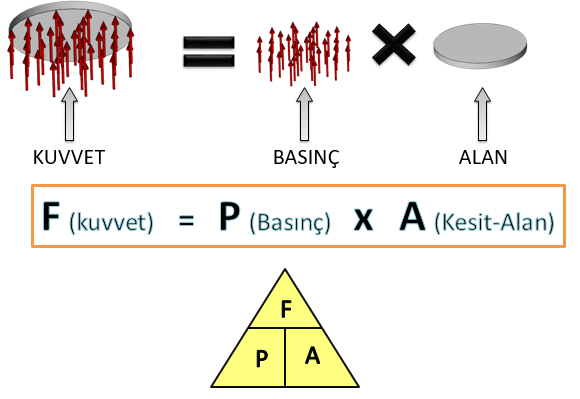
The basic calculation is:
Force = Pressure × Piston Area
Correct sizing of the cylinder diameter is essential for applications requiring high force, such as heavy machinery, industrial presses, and mobile hydraulic equipment.
An incorrectly sized cylinder can result in:
Stroke length defines the maximum travel distance of the hydraulic cylinder.
Selecting the correct stroke is critical because:
A proper analysis of the machine movement requirements ensures optimum performance.
Different applications require different hydraulic cylinder designs.
Common hydraulic cylinder types include:
For example, telescopic hydraulic cylinders are often preferred where long stroke movement is required in limited installation spaces.
For detailed information about hydraulic cylinder types, you can review our main article:
“What is a Hydraulic Cylinder? What Are the Types of Hydraulic Cylinders?”
Hydraulic cylinders may operate under challenging industrial conditions. Therefore, component quality plays an important role in durability.
Important factors include:
Especially in outdoor applications, construction machinery, and heavy-duty equipment, proper material selection significantly improves cylinder lifetime.
The mounting design of a hydraulic cylinder affects the loads applied during operation.
Common mounting solutions include:
Incorrect mounting design may cause:
Engineering the correct connection method is essential for long-term reliability.
Why Custom Hydraulic Cylinder Manufacturing Matters
Standard hydraulic cylinders can meet many general applications; however, special machinery often requires customized solutions.
Custom hydraulic cylinder manufacturing allows engineers to develop solutions based on:
A professional manufacturing process including precision machining, quality control, and correct material selection ensures reliable hydraulic performance.
Hydraulic Cylinder Applications
Hydraulic cylinders are widely used in many industries, including:
Each application has different requirements, and a correctly engineered hydraulic cylinder provides higher efficiency, longer service life, and improved machine performance.
Hydraulic cylinder selection is an important engineering decision that directly influences the performance of a hydraulic system.
By selecting the correct bore size, stroke length, pressure rating, mounting design, and materials, hydraulic systems can achieve higher reliability and longer operational life.
For a complete introduction to hydraulic cylinders and their working principles, you can read our main article:
Hydraulic Cylinder: Definition, Types and Working Principles
[MAIN LINK: https://www.hidroman.com.tr/icerik/hidrolik-silindir-nedir-hidrolik-silindir-cesitleri-nelerdir]