


Hydraulic systems are the backbone of modern industries, including manufacturing, mining, marine, construction, agriculture, energy, and steel production. However, even the most advanced hydraulic equipment can suffer from premature wear and unexpected failures due to oil contamination.
A hydraulic flushing machine is specifically designed to remove contamination from hydraulic circuits, pipelines, cylinders, valves, pumps, and reservoirs before commissioning and during preventive maintenance. Combined with a hydraulic filtration unit, it helps achieve high oil cleanliness levels according to ISO 4406 and significantly extends component life.
For OEM manufacturers and maintenance companies across Europe, investing in professional hydraulic flushing equipment has become a standard requirement rather than an option.
A hydraulic flushing machine is a high-performance filtration system engineered to circulate hydraulic oil at controlled flow rates while removing solid particles, water, sludge, varnish, and other contaminants from hydraulic circuits.
Unlike standard filtration systems, flushing machines create turbulent oil flow throughout the hydraulic system, allowing contaminants trapped inside pipes, manifolds, hoses, valves, and cylinders to be removed effectively.
This process is essential before:
Studies across the hydraulic industry consistently show that contamination is responsible for most hydraulic component failures.
Common contaminants include:
Even microscopic contamination can damage precision hydraulic components such as:
Professional hydraulic flushing removes these contaminants before they become costly failures.
Extended Equipment Life
Clean hydraulic oil minimizes wear on pumps, cylinders, motors, and valves.
Lower Maintenance Costs
Reduced contamination means fewer breakdowns and lower repair expenses.
Improved System Efficiency
Clean oil improves hydraulic efficiency, pressure stability, and response time.
Increased Reliability
Unexpected downtime is reduced significantly.
ISO 4406 Oil Cleanliness Compliance
Professional filtration systems help achieve the cleanliness levels required by OEM manufacturers.
Reduced Energy Consumption
Efficient hydraulic systems consume less energy while maintaining peak performance.
A professional flushing procedure generally follows these steps:
Oil samples are taken to determine contamination levels.
Sensitive components are isolated where necessary.
Oil is circulated at high velocity to generate turbulent flow.
Multi-stage filters remove contamination during circulation.
Oil cleanliness is monitored using particle counters according to ISO 4406.
Flushing continues until the required cleanliness level is achieved.
Many people confuse filtration with flushing.
Hydraulic Filtration
Hydraulic Flushing
Both processes complement each other and are critical for long-term hydraulic reliability.
Professional hydraulic flushing equipment is widely used in:
A high-quality flushing system should include:
ISO 4406 is the internationally recognized standard for measuring hydraulic oil cleanliness.
Maintaining the correct cleanliness level provides:
Many European OEM manufacturers require documented ISO 4406 cleanliness reports before equipment delivery.
Before selecting a hydraulic flushing unit, consider:
The right equipment should match both current operational needs and future maintenance requirements.
Hidroman designs and manufactures advanced hydraulic flushing and filtration equipment for industrial and OEM applications.
Our solutions provide:
Whether you operate a manufacturing plant, hydraulic service center, or heavy equipment fleet, Hidroman flushing machines help maximize hydraulic system reliability while reducing operating costs.
What is a hydraulic flushing machine?
A hydraulic flushing machine circulates hydraulic oil at high flow rates while continuously filtering contaminants from the entire hydraulic system.
Why is hydraulic flushing important?
It removes harmful contamination that can damage pumps, valves, cylinders, and hydraulic motors, significantly extending equipment life.
How often should hydraulic systems be flushed?
Flushing is recommended before system commissioning, after major repairs, component replacement, and whenever severe contamination is detected.
What cleanliness standard is commonly used?
Most industrial hydraulic systems follow the ISO 4406 cleanliness standard.
Can flushing reduce hydraulic failures?
Yes. Proper flushing eliminates contamination, which is one of the leading causes of hydraulic system failures.
The rapid advancement of industrial automation and modern manufacturing technologies has significantly increased the demand for reliable hydraulic and lubrication systems. Today, manufacturers are focused on maximizing equipment efficiency, minimizing unplanned downtime, reducing operating costs, and maintaining consistent product quality. As a result, preventive and predictive maintenance strategies have become essential components of modern industrial operations.
One of the most critical factors influencing the performance and lifespan of hydraulic systems is fluid cleanliness. Research has consistently shown that microscopic contamination particles—often invisible to the naked eye—are among the leading causes of hydraulic component failures. These contaminants accelerate wear, damage precision components such as pumps, valves, bearings, and cylinders, and lead to costly production interruptions, increased maintenance expenses, and higher spare parts inventory costs.
Professional hydraulic filtration plays a vital role in controlling both particulate and water contamination. By maintaining the appropriate oil cleanliness level in accordance with international standards such as ISO 4406, filtration systems help protect critical components, improve system reliability, and extend service intervals.
Numerous industry studies have demonstrated the significant impact of proper filtration on equipment longevity. Under optimal filtration conditions, bearing service life can increase by up to 20 times, while hydraulic components experience reduced wear, lower maintenance costs, and improved overall system performance.
For these reasons, investing in advanced hydraulic filtration and contamination control solutions is not only a maintenance decision but also a strategic investment in productivity, operational reliability, and long-term profitability.
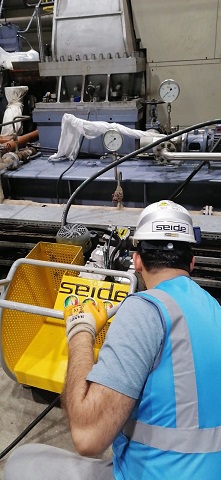
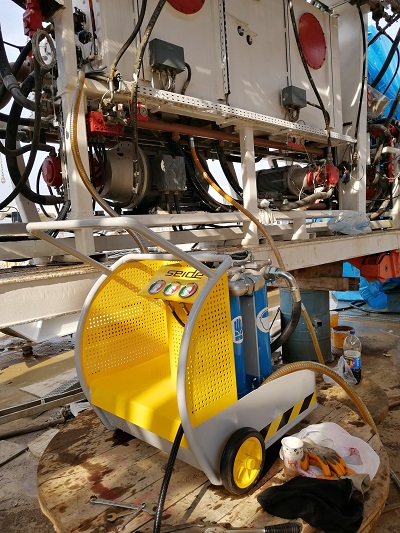
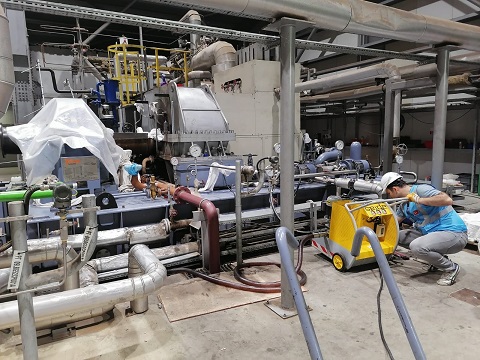
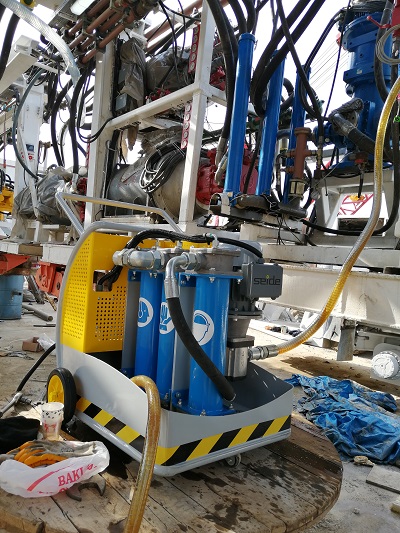
Maintain peak hydraulic system performance with genuine Seide RK91 replacement filter elements, specifically engineered for mobile filtration and flushing applications. These high-efficiency filter elements provide superior particle removal, ensuring optimal oil cleanliness, extended component life, and reliable hydraulic system operation.
|
Filter Housing Code |
Replacement Filter Element |
Filtration Rating |
|
HDM112-05 |
SDM5060-05 |
5 Micron |
|
HDM112-10 |
SDM5060-10 |
10 Micron |
|
HDM112-25 |
SDM5060-25 |
25 Micron |
|
HDM112-60 |
SDM5060-60 |
60 Micron |
|
Specification |
Value |
|
Pump Flow Rate |
80 L/min |
|
Motor Power |
1.1 kW |
|
Motor Speed |
1,450 rpm |
|
Number of Filter Housings |
3 |
|
Maximum Filter Flow Capacity |
900 L/min (3 × 300 L/min) |
|
Dirt Holding Capacity |
180 g × 3 Filters |
|
Machine Weight |
65 kg |
|
Power Supply |
380–400 V AC, 3 Phase |
For hydraulic systems exposed to moisture or condensation, Seide also offers integrated water-absorbing filter elements.